Remote heat data management
Metbox provides remote reading of heat meters, substation controllers and technical parameters in one platform. The solution is built for district heating companies that need accurate data on consumption, supply and return temperatures, flow, power, pressure and the status of other connected equipment across the whole service process.
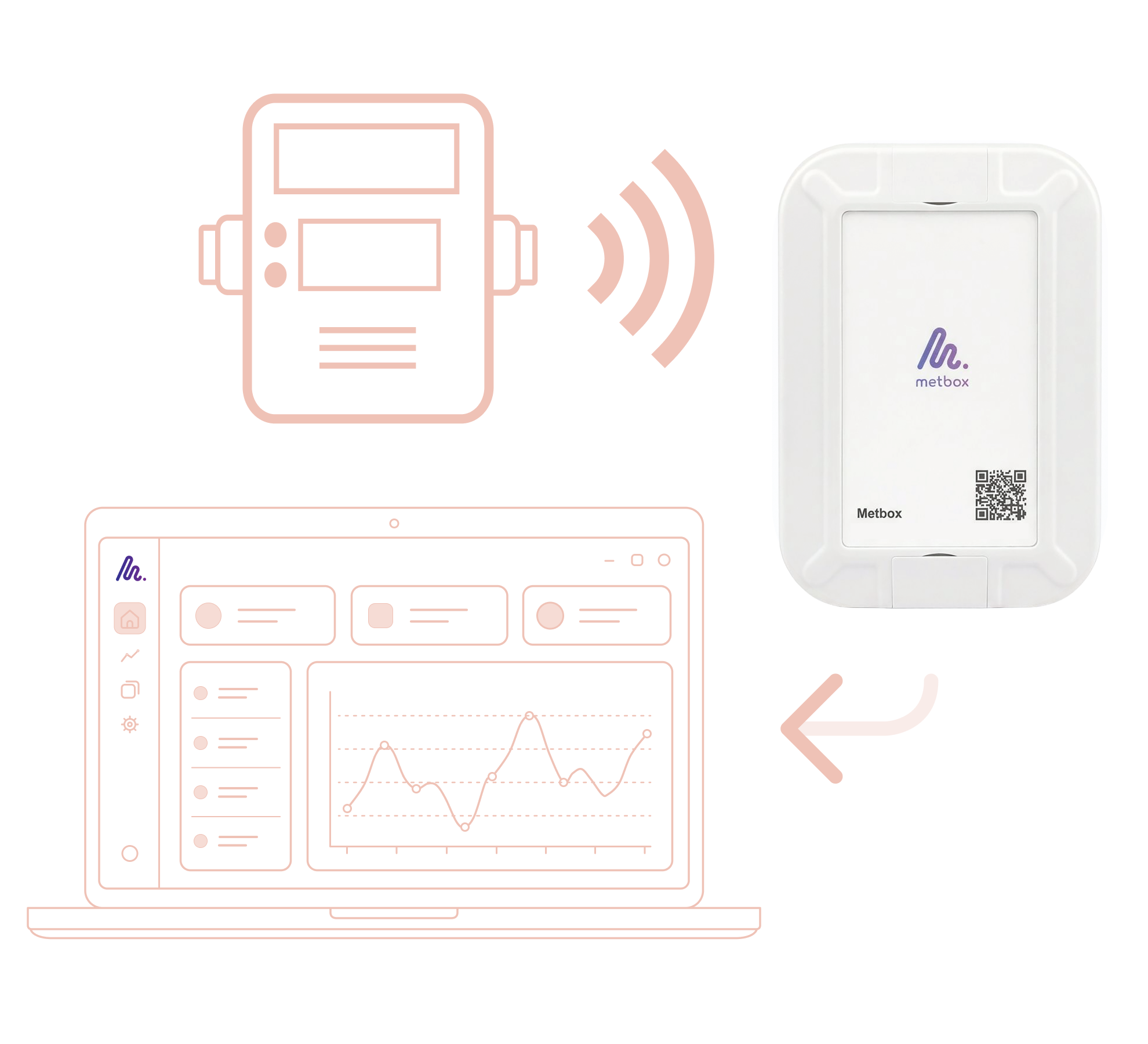
From the substation to the heating company's systems
Heat meters & controllers
Heat meters, substation controllers and technical equipment across many brands and protocols.
Gateway
Metbox Pro gateways read meters and controllers over Modbus, M-Bus, RS232 and more, sending data securely over 4G/LTE.
Platform
Consumption, temperatures, flow, power, pressure and controller status arrive validated and structured.
Your systems
Export CSV/XLSX or connect via REST API to existing billing and management systems.
Built for how heat networks operate
Remote reading of heat meters
Metbox provides remote reading of heat meters, controllers and substation technical parameters without manual site inspections. Metbox gateways connect existing equipment to the Metbox platform using the industrial interfaces available on site: wM-Bus, M-Bus, Modbus, RS232 and other supported protocols. This gives the heating company not only consumption readings, but also the technical data that describes how the substation actually operates. The solution is built for daily operations: stable reading, verifiable data, faster response and integration with the company's billing, management or dispatch systems.
- No manual visits for routine meter reading
- Reads controllers & technical parameters, not just totals
- Modbus, M-Bus, RS232 and other supported protocols
Spot critical situations early
The Metbox platform lets a district heating company see, day to day, how each connected site actually operates: not only how much heat is consumed, but also the mode the substation is running in. Consumption, supply and return temperatures, temperature difference, flow, power, pressure, controller status and communication quality are all visible in one place. This data helps the technical team spot inefficiently operating sites early: too high return temperature, insufficient temperature difference, overheating, unstable flow, communication loss or a device error status.
- Alerts for temperature, flow and pressure anomalies
- "No data" and communication-loss notifications
- Flag parameters outside the normal range
A foundation for remote heating control
Where the connected equipment supports it, controlled remote heating regulation can be enabled - turning a single secure data layer into the basis for active substation control.
- Secure transmission from device to platform
- Role-based access, traceability & GDPR-ready management
- REST API and CSV/XLSX for existing business systems
What district heating companies gain with Metbox
Reliable operations
- Reliable remote readings of heat meters
- Less manual field work at substations
- Early detection of overheating & low ∆T
- Faster response to communication loss
- Billing-ready consumption data
- Better control across substations & service areas
Data you can act on
- Centralised heat meter & controller data
- Supply / return temperatures, flow, power & pressure
- Validated historical data & trends
- Consumption reports and analytics
- CSV/XLSX exports & REST API integration
- Role-based access and auditability
- Data prepared for billing and decision-making
What you need to get substations online
A gateway in the substation, the Metbox platform behind it.
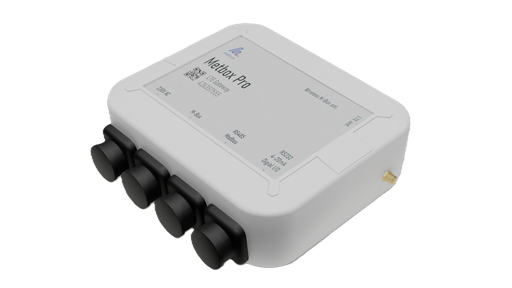
Metbox Pro Gateway
Reads heat meters and controllers over Modbus, M-Bus and RS232 - built for technical rooms and substations.
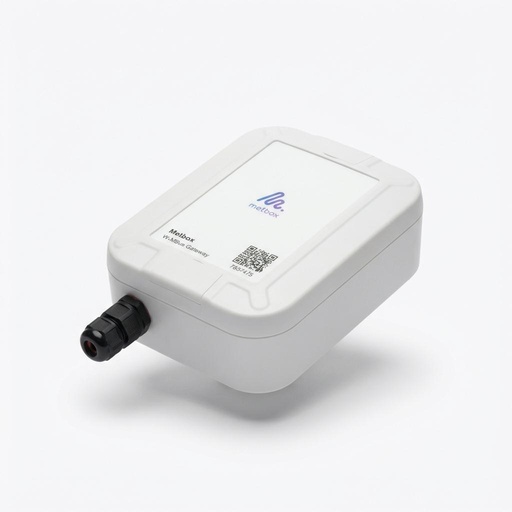
Metbox wM-Bus Gateway 230V
Mains-powered wM-Bus gateway for continuous, high-frequency reading in buildings and technical rooms.
Metbox Platform
Dashboards, reports, alerts and API integrations - the secure layer between substations and business systems.
Ready to bring your heat network online?
Talk to the Metbox team about your substations, controllers and meters - and see how fast remote heat metering and monitoring can be up and running.
Remote heat data management
Metbox provides remote reading of heat meters, substation controllers and technical parameters in one platform. The solution is built for district heating companies that need accurate data on consumption, supply and return temperatures, flow, power, pressure and the status of other connected equipment across the whole service process.
From the substation to the heating company's systems
Heat meters & controllers
Heat meters, substation controllers and technical equipment across many brands and protocols.
Gateway
Metbox Pro gateways read meters and controllers over Modbus, M-Bus, RS232 and more, sending data securely over 4G/LTE.
Platform
Consumption, temperatures, flow, power, pressure and controller status arrive validated and structured.
Your systems
Export CSV/XLSX or connect via REST API to existing billing and management systems.
Built for how heat networks operate
Remote reading of heat meters
Metbox provides remote reading of heat meters, controllers and substation technical parameters without manual site inspections. Metbox gateways connect existing equipment to the Metbox platform using the industrial interfaces available on site: wM-Bus, M-Bus, Modbus, RS232 and other supported protocols. This gives the heating company not only consumption readings, but also the technical data that describes how the substation actually operates. The solution is built for daily operations: stable reading, verifiable data, faster response and integration with the company's billing, management or dispatch systems.
- No manual visits for routine meter reading
- Reads controllers & technical parameters, not just totals
- Modbus, M-Bus, RS232 and other supported protocols
Spot critical situations early
The Metbox platform lets a district heating company see, day to day, how each connected site actually operates: not only how much heat is consumed, but also the mode the substation is running in. Consumption, supply and return temperatures, temperature difference, flow, power, pressure, controller status and communication quality are all visible in one place. This data helps the technical team spot inefficiently operating sites early: too high return temperature, insufficient temperature difference, overheating, unstable flow, communication loss or a device error status.
- Alerts for temperature, flow and pressure anomalies
- "No data" and communication-loss notifications
- Flag parameters outside the normal range
A foundation for remote heating control
Where the connected equipment supports it, controlled remote heating regulation can be enabled - turning a single secure data layer into the basis for active substation control.
- Secure transmission from device to platform
- Role-based access, traceability & GDPR-ready management
- REST API and CSV/XLSX for existing business systems
What district heating companies gain with Metbox
Reliable operations
- Reliable remote readings of heat meters
- Less manual field work at substations
- Early detection of overheating & low ∆T
- Faster response to communication loss
- Billing-ready consumption data
- Better control across substations & service areas
Data you can act on
- Centralised heat meter & controller data
- Supply / return temperatures, flow, power & pressure
- Validated historical data & trends
- Consumption reports and analytics
- CSV/XLSX exports & REST API integration
- Role-based access and auditability
- Data prepared for billing and decision-making
What you need to get substations online
A gateway in the substation, the Metbox platform behind it.
Metbox Pro Gateway
Reads heat meters and controllers over Modbus, M-Bus and RS232 - built for technical rooms and substations.
Metbox wM-Bus Gateway 230V
Mains-powered wM-Bus gateway for continuous, high-frequency reading in buildings and technical rooms.
Metbox Platform
Dashboards, reports, alerts and API integrations - the secure layer between substations and business systems.
Ready to bring your heat network online?
Talk to the Metbox team about your substations, controllers and meters - and see how fast remote heat metering and monitoring can be up and running.